Artificial intelligence as we know it — language models, text generation, image synthesis — is about to be surpassed by something far more concrete: Physical AI, systems that not only think, but act in the real world.
A recent technical segment highlighted how this transition could mark the beginning of a trillion-dollar industry.
What Physical AI Is, and Why It Matters
Until now, most AI has operated in purely digital domains: text, images, videogames, chatbots.
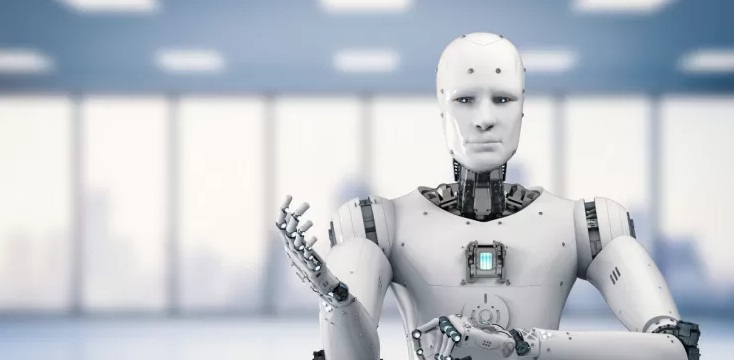
Physical AI, on the other hand, will combine perception, action, and physical context: robots, autonomous vehicles, drones, intelligent systems that interact with their environment.
When a model no longer just “generates” but can actually do, the entire paradigm changes.
Here’s why this shift is important:
- it brings AI from the virtual world into the real one
- it transforms data and models into systems that can move and make decisions
- it unlocks new industrial, logistical, and robotic applications
- it requires new infrastructures, new business models, and new safety and governance frameworks
The Key Drivers Behind This Evolution
More powerful hardware and infrastructure
GPUs, advanced sensors, and next-generation robotics are reaching the maturity needed to make Physical AI feasible.
Increasingly “real-world” models
Instead of learning only from text — as they do now — AI systems will begin to see, touch, and move through their environments, handling complex physical inputs and acquiring real experiential knowledge of the world.
Concrete demand from industry and logistics
Automation, maintenance, autonomous transportation: this is no longer academic experimentation, but a very real commercial demand.
Huge markets waiting to emerge
Some companies already describe Physical AI as a multi-trillion-dollar opportunity.
Critical Challenges
- Safety and reliability: a robot acting in the physical world must anticipate and manage risks that digital-only models never face.
- Costly real-world data: gathering physical, real-environment data is far harder and more expensive than collecting text or generic images.
- Hardware-software integration: physical interfaces, robotics, sensors, and AI models must work seamlessly together.
- Regulation and ethics: once AI begins acting in the real world, the legal, social, and ethical implications rise dramatically, as does the need for new safety and governance policies.
What This Means for People Working in AI
If you build or manage AI systems, Physical AI is a clear signal:
It won’t be enough to create better models — we will need environments where those models can operate.
Companies seeking market leadership won’t compete only on “generation,” but on execution and physical capability.
Systems trapped in digital-only domains risk becoming obsolete and being overtaken by those that can act.
Anyone building an offline, local, private AI ecosystem (like Eidolon) should consider that the shift toward physical action may unlock unique opportunities.
Conclusion
Physical AI won’t just mean “models that think better”: it will mean AI that acts.
When artificial intelligence begins to interact autonomously with the physical world, the rules of the game will change.
For people in the sector, now is the time to look not only at what AI can think, but at what it can do.
And yes — the next major AI revolution may already be underway.